- Charts of the Day
- Posts
- Rising event risks will challenge equity optimists.
Rising event risks will challenge equity optimists.
Morgan Stanley sees S&P profit boom despite Iran war.
1. The only certainty is uncertainty.
Despite the optimism in markets, there is no deal with Iran.
“This is no time to buy the rally, and the only certainty moving forward is volatility as this conflict isn’t over yet.”
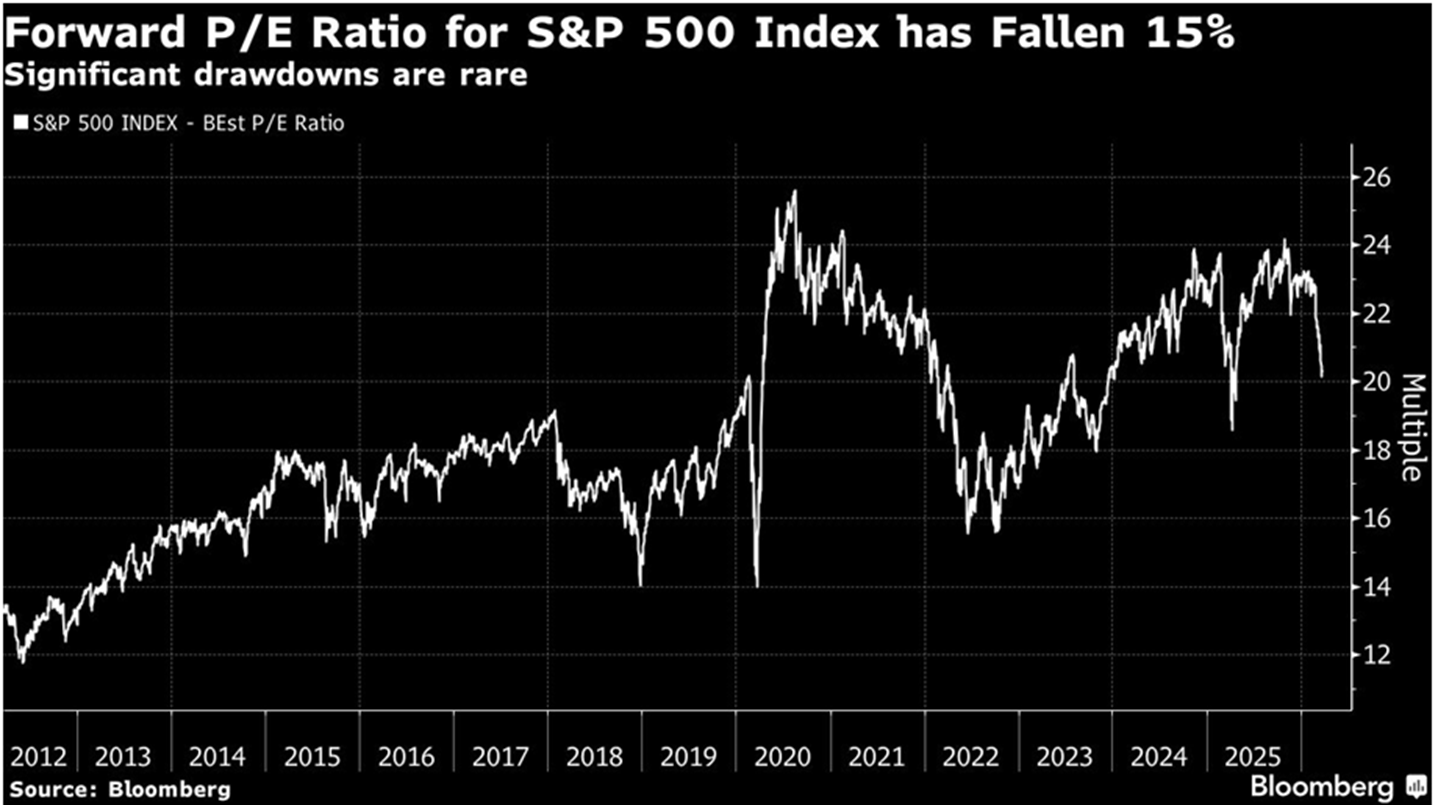
The good news: US stocks are about 15% cheaper than before the war.
2. Early signs of US stagflation.
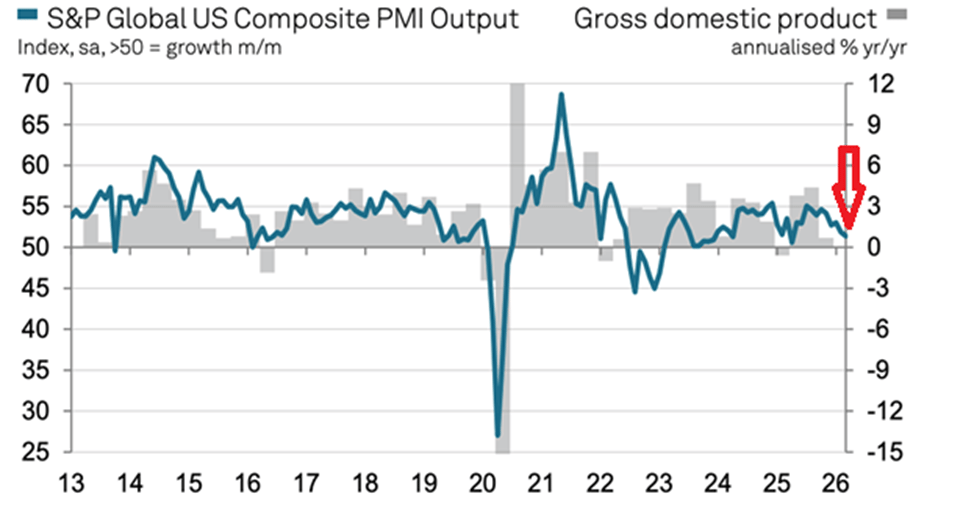
Since last July the all-industry PMI has been gradually softening, and that continued into March.
"The flash PMI survey data for March signal an unwelcome combination of slower growth and rising inflation following the outbreak of war in the Middle East. The PMI data are indicative of GDP rising at an annualized rate of just 1.0%.
Price gauges meanwhile point to consumer price inflation accelerating back to around 4%".
3. Bank of America says to switch from energy to mining stocks.
Commodity-related equities are at a crossroads, offering a major arbitrage opportunity for investors looking to benefit from mean reversal between energy and mining stocks.
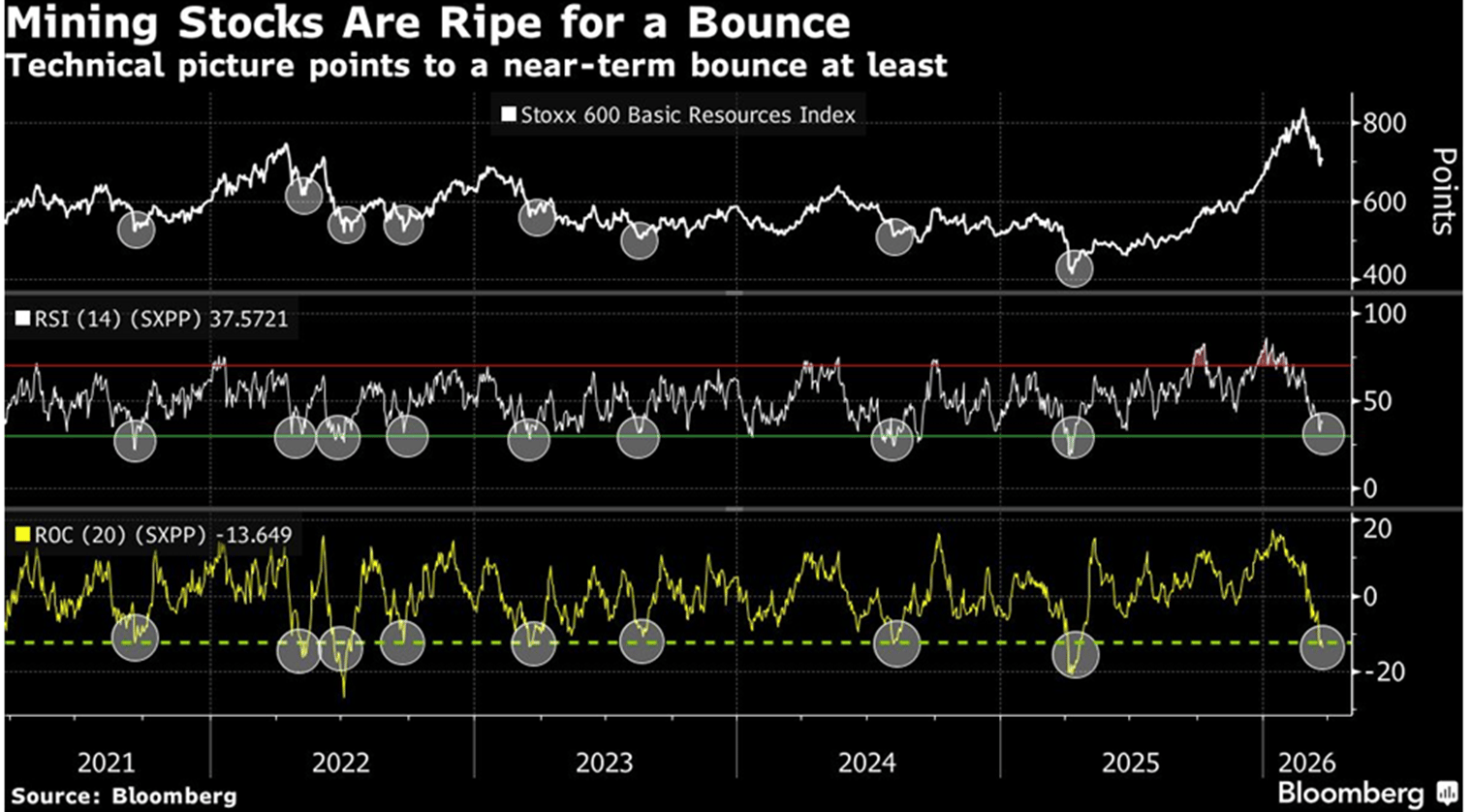
The Iran war shook up the commodity equity space, halting the mining sector super-cycle, while reinvigorating energy stocks. Now, a three-week selloff in miners has washed out a lot of the crowding built up in recent months, presenting an interesting risk-reward should the conflict de-escalate. At the same time, positioning in energy shares looks extended after they hit record overbought levels last week.
Miners are near oversold levels, and the 20-day rate of change shows a plunge that’s rare in recent history.
According to Morgan Stanley analysts led by Alain Gabriel, copper miners still show attractive fundamentals.
“Long-term scarcity remains supported by constrained supply and electrification demand,” the analysts say.
4. The AI power constraint shifts from availability to flexibility.
The next opportunity will be in energy storage systems (ESS) as the power constraint shifts from availability to flexibility, volatility management, and time-to-power.
“ESS” becomes a system-level necessity, enabling peak-shaving, mitigating bottlenecks, and accelerating a shift toward a flexible “inventory of electricity.”
Analysts expect a ~30% CAGR in ESS deployment into 2030, with data centers potentially doubling power demand in five years.
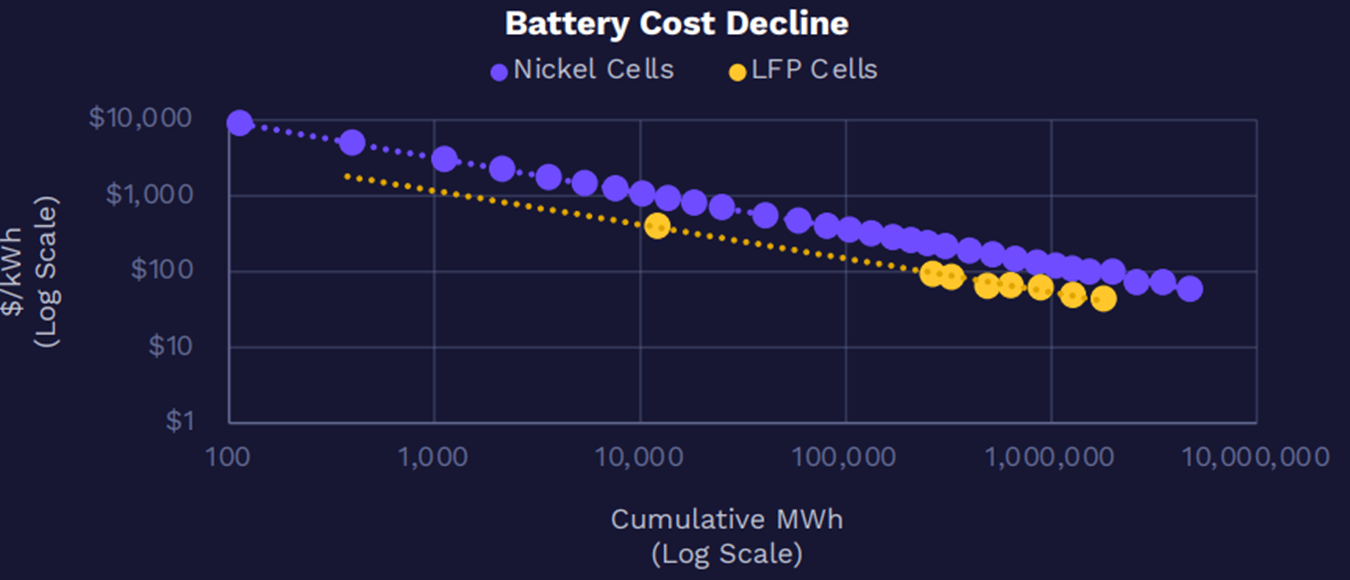
Below: Battery costs (ESS) continue to fall.
5. “2 Billion drones globally, driven by China.”
Source: MS

Not a subscriber yet?
How was today's Edition?What can we improve? We would love to have your feedback! |
Reply