- Charts of the Day
- Posts
- Stocks hit record highs on hopes of swift end to the war.
Stocks hit record highs on hopes of swift end to the war.
S&P, Nasdaq and Nikkei at record high.
1. S&P and Nasdaq (and the Nikkei) at record highs.
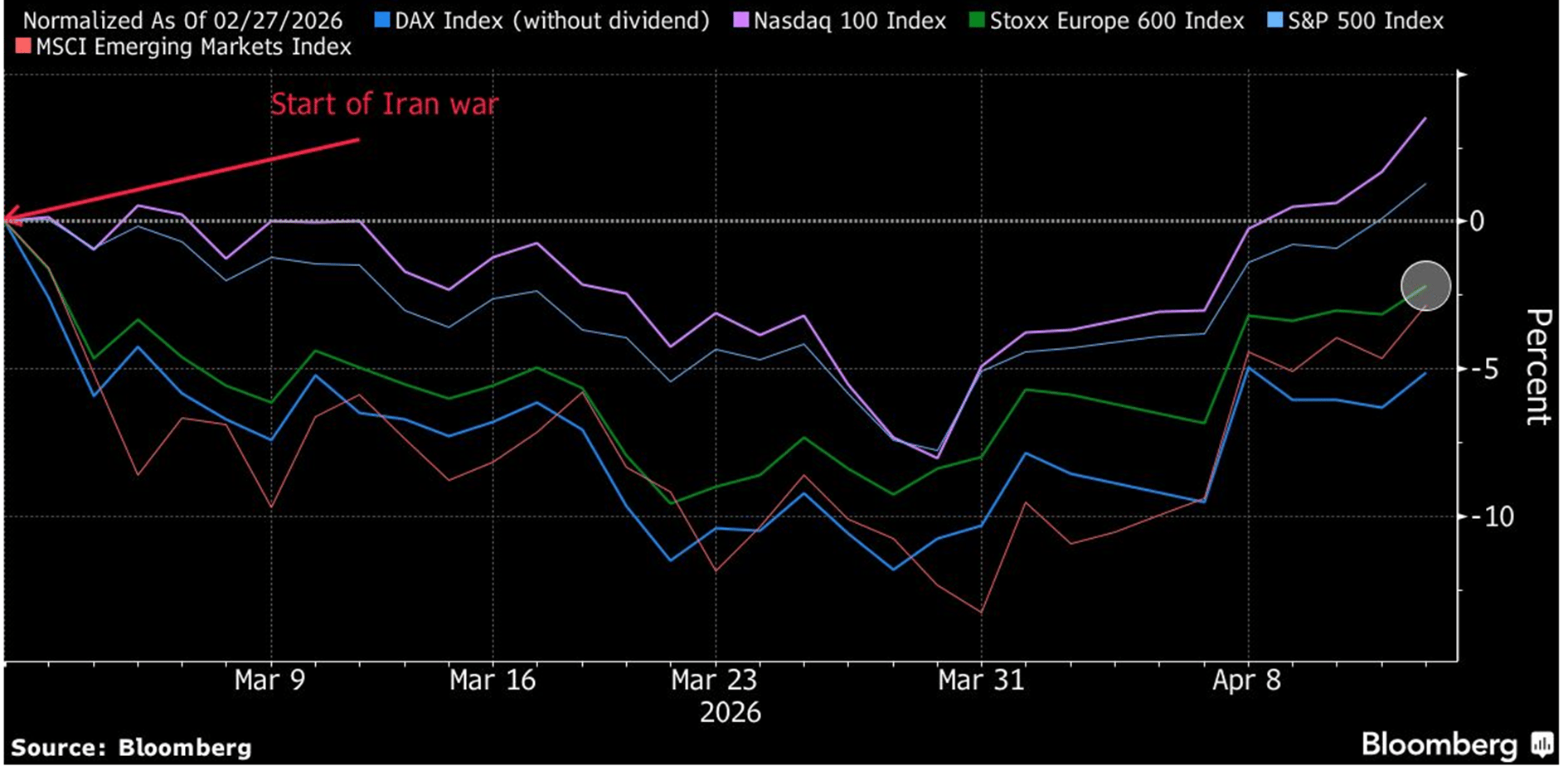
The fresh records wiped out the entire downturn of the Iran war.
“Stocks are basically expressing their view that the war in the Persian Gulf is all but over.”

2. Investors show a preference for the US and buy the dip aggressively in Asia.
Europe and certainly the DAX, packed with cyclicals and exporters, has been worst hit and is down 5% since the conflict began. The broader Stoxx 600 is 2% lower. In contrast, the S&P 500 and Nasdaq have already recouped their losses.
“Europe is perceived as a relative loser from the Iran war, with investors’ overweight in European equities continuing to fade, while other regions have either seen improvements or lesser declines,” Bank of America strategists say in their European fund manager survey for April.
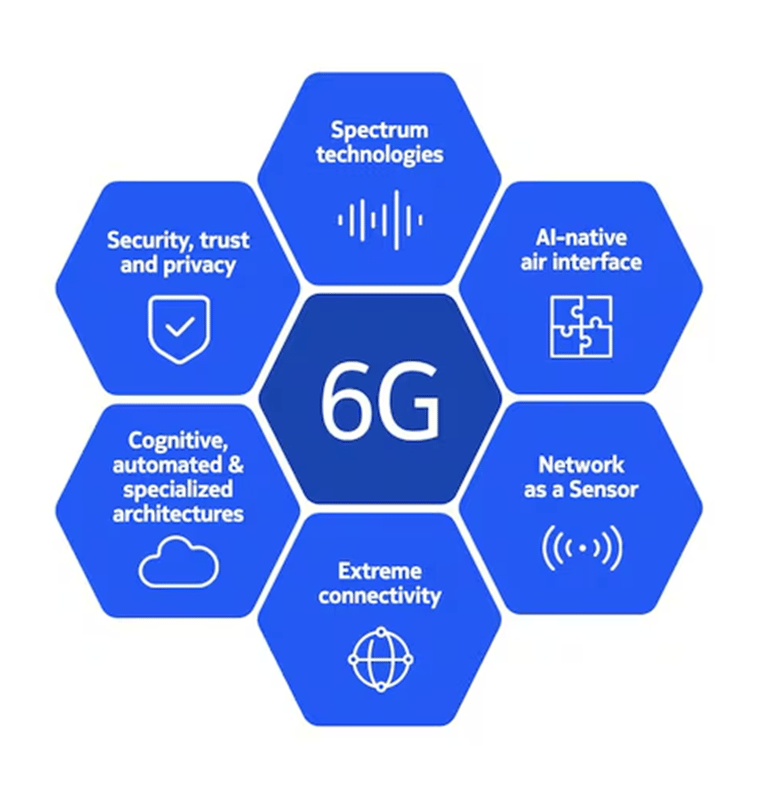
3. 6G is coming.
The importance of 6G technology in servicing an explosion in inferencing workloads cannot be overstated.
Networking traffic will be dominated by Agentic AI inferencing needs, which requires low latency enabled by closer proximity to end users.
In addition to better connectivity and wide-area sensing capabilities, 6G is being characterized by the ambition of distributing AI workflows in real-time between datacenters (cloud), edge (smaller, local servers), and on-device.
As an example, Qualcomm demonstrated an augmented reality use case where visual AI workloads are shifted dynamically between the device and the network in real-time.
Telecom providers are positioned as key enablers of AI workloads given their existing physical edge footprints. (!!!)
4. Hermès falls as Middle East disruption bites.
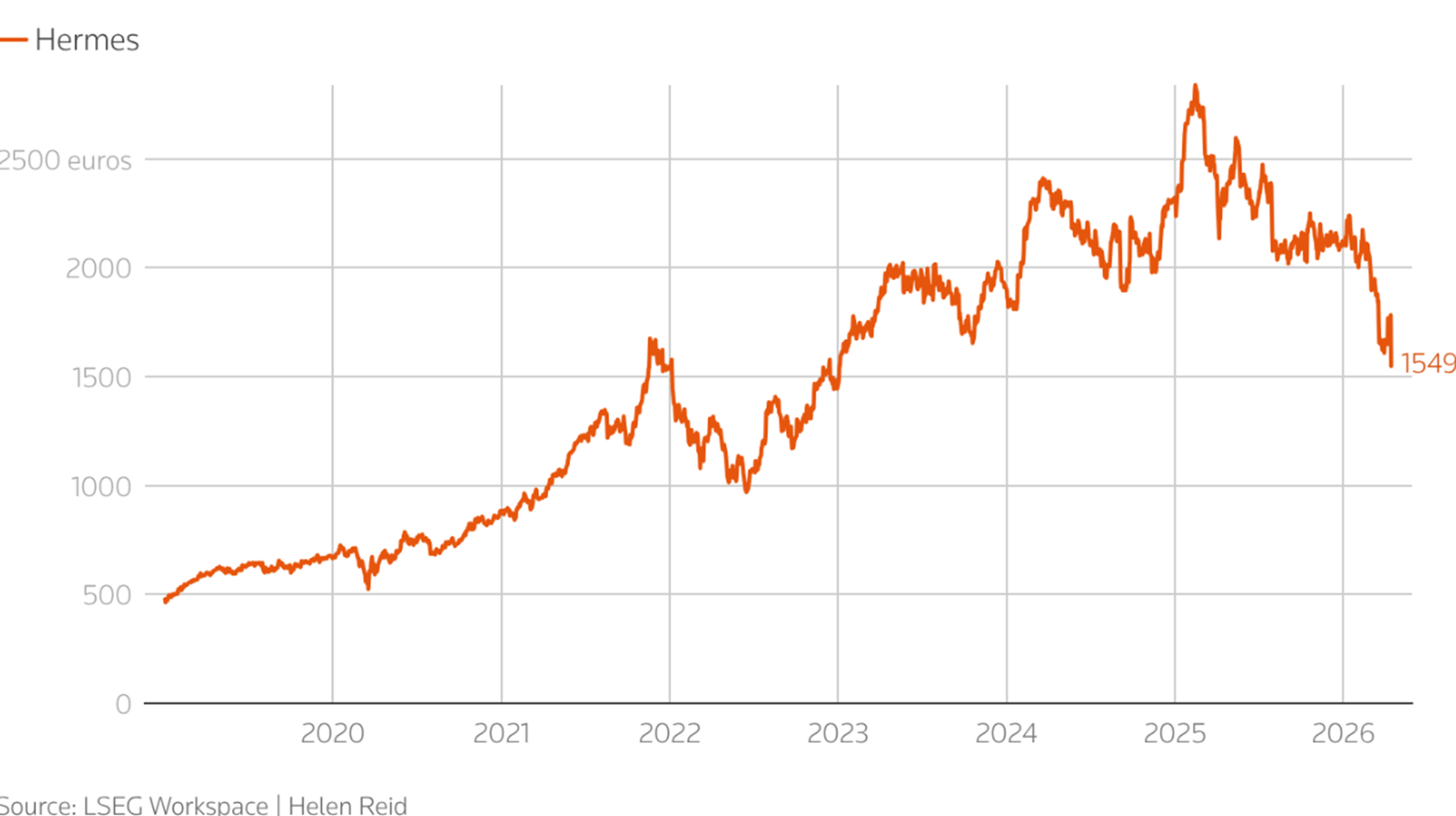
Hermès has been the most resilient company in an industry-wide slowdown, but even it was not immune to the conflict's impact. Its shares dropped 14% to their lowest in more than three years, bringing losses since January 1 to 28%.
Why is everybody extrapolating bad results till the end of times?
5. Bezos vs. Musk space race.
Grab some popcorn and watch the billionaire space race. Jeff Bezos is taking on Elon Musk’s SpaceX with a deal to buy a satellite business.
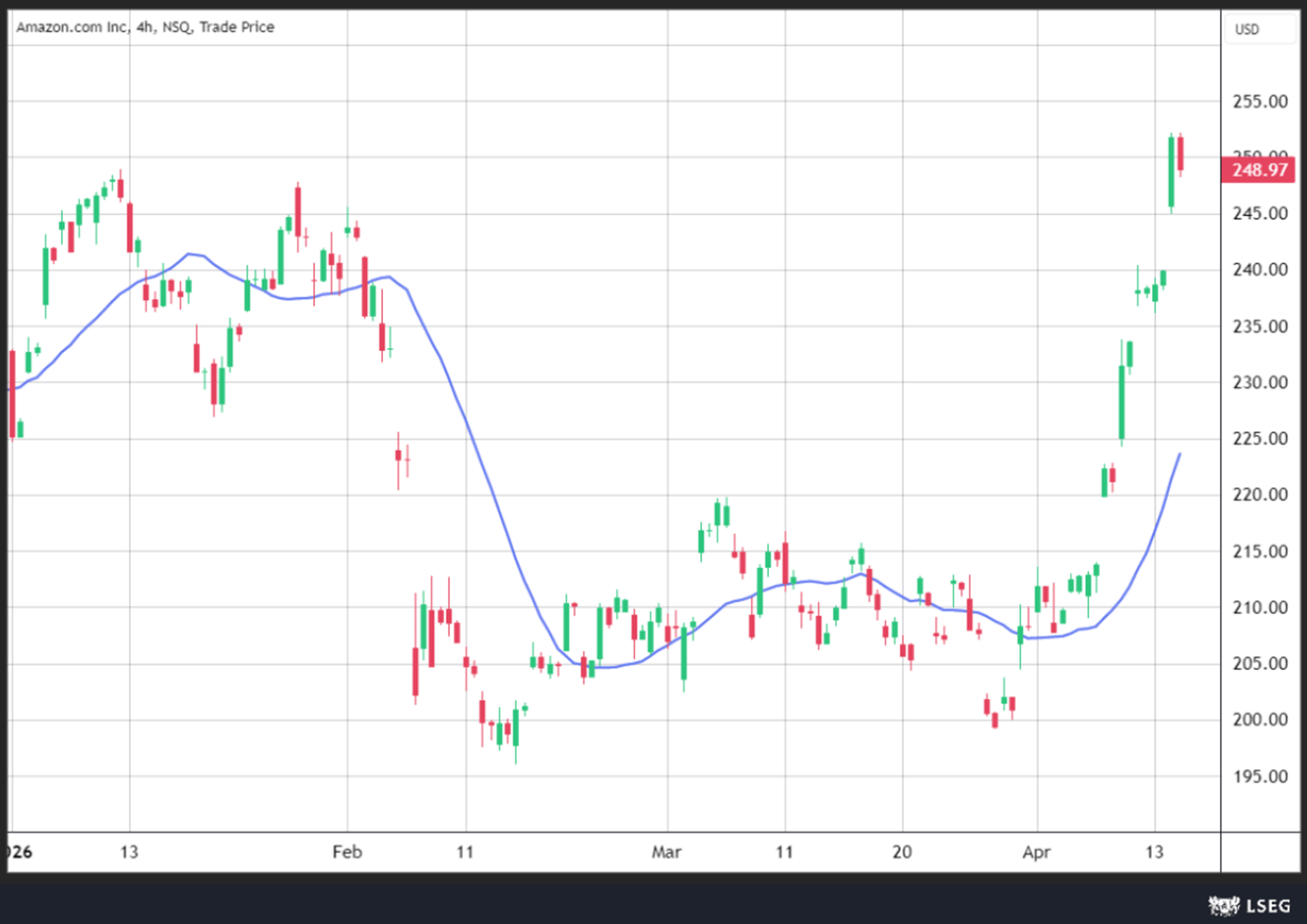
Amazon struck an $11 billion deal to boost its nascent satellite internet business, buying satellite operator Globalstar, which would give the company a leg up in cellphone-to-satellite connections. Globalstar operates satellites of its own, providing links that allow users of Apple’s iPhone to text, call emergency assistance and seek roadside help in areas not covered by traditional cell service.
Amazon is in the early innings of developing a more than 7,000-satellite network for broadband. While SpaceX has a big lead in household subscribers and enterprise clients, Amazon expects its satellite business, called Leo, to be integrated with its powerful cloud computing business, Amazon Web Services.
Amazon is aiming for $20 billion in revenue from the Leo constellation by 2030. That's 2.8% of today's total revenue.
The deal “highlights the value of spectrum as a scarce resource, be it terrestrial or satellite,” said Mike Crawford, an analyst at B. Riley Securities.
Below: Spending 12 billion on a satellite company added 126 billion to the market cap of Amazon!
Not a subscriber yet?
How was today's Edition?What can we improve? We would love to have your feedback! |
Reply